
John Howard Keesey
Biography
John Howard Keesey was born on 11th December 1915 to Captain George Ernest Howard Keesey and Violet Marian (nee Swinglehurst). His father George, a science master at Wellington College and Captain in the 8th Battalion The Rifle Brigade, was killed at the Battle of the Somme on 24th August 1916 when John was only nine months old. The family lived at Fisherflat on the outskirts of Natland.
John attended Wellington College School in Berkshire, the same school where his father had been a teacher. He then went on to Cambridge University, where his father had also studied, gaining a BA in 1937. In 1940 he obtained his MBBChir (the Cambridge degree in Bachelor of Medicine and Surgery) and also qualified for membership of the Royal College of Surgeons and Royal College of Physicians.
From July 1940 to August 1941 John worked variously as Orthopaedic House Surgeon and General House Surgeon at Botley’s Park Hospital, Chertsey, as well as Casualty Officer at St Thomas’s Hospital, London, and as Resident Medical Officer at Schiff Home, Cobham. Botley’s Park was a war hospital and Schiff Home a convalescent home for wounded service personnel.
In June 1942 John married Susette Harvey in Wantage, then in Berkshire. Susette, a nurse at St Thomas’s Hospital, was the daughter of The Right Reverend Thomas Arnold Harvey, The Lord Bishop of Cashel, in Ireland.
Service Record
In September 1941 John was granted an emergency commission as a Lieutenant in the Royal Army Medical Corps and was posted to Number Three Field Ambulance (army number 199991). He served briefly with the Gloucestershire Regiment and the Royal Artillery before re-joining the 3rd Field Ambulance. In April 1942 he found his final posting with the 16th Parachute Field Ambulance. He went to Ringway Aerodrome (now Manchester Airport) for his parachute training, completing at least five training jumps to gain his parachute wings and maroon beret.
The 16th Parachute Field Ambulance comprised around 170 men: doctors, medical orderlies, stretcher bearers, drivers, and even a dentist.
In November 1942, as part of Operation Torch, Captain Keesey was in command of number three section, attached to the 3rd Battalion. His plane crashed into the sea and he along with several others were wounded. He was picked up by an American ship sailing for New York. After returning from the USA and recovering from his injuries, he took part in the later airborne drop in Sicily to capture the Primosole Bridge. The scattered parachute drop meant John and several of his unit had to hide for two days before re-joining the bulk of the British troops. Later he and his comrades were involved in the capture of Taranto in Southern Italy.
At the beginning of January 1944 John and his comrades returned to Britain. They were held in readiness but not used in the Normandy invasion. After Normandy, with the advance across France so rapid, there was no opportunity to use paratroopers.
John was awarded the 1939-45 Star, the Africa Star with 1st Army Clasp, the Italy Star, the France and Germany Star, and the 1939-45 War Medal. He was also mentioned in dispatches.
How They Died
On 17th September 1944, John and the 1st Airborne Division dropped at Arnhem as part of Operation Market Garden, the largest airborne operation in history, with 35,000 soldiers landed by parachute or glider. The troops who landed the furthest behind enemy lines, 100 km (64 miles), were the 1st British Airborne Division.
The 16th Parachute Field Ambulance dropped on the first day and took over the St Elisabeth Hospital on the outskirts of Arnhem, preparing for the many casualties they would receive.
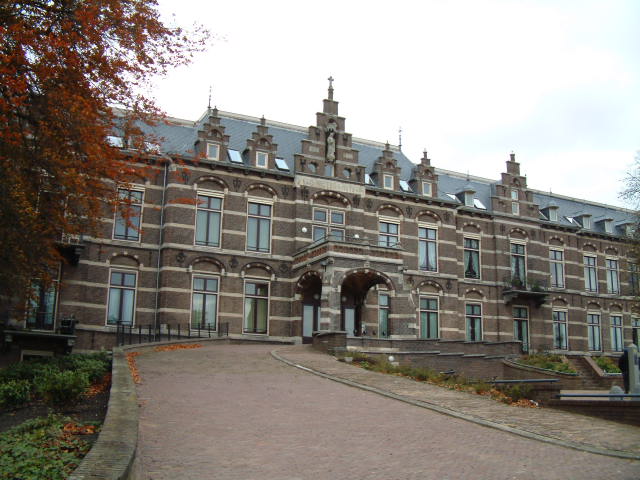
The British paratroopers were squeezed into a pocket in the village of Oosterbeek and surrounded. The St Elisabeth Hospital was captured by SS troops and although briefly recaptured remained in German hands. The medical orderlies and supporting staff were sent into captivity, but the doctors, including John Keesey, were allowed to remain to tend to the growing number of casualties, British and German.
The British troops “coming to the rescue” did not reach Arnhem in time and after nine days 2,000 troops from the original force of 10,000 were withdrawn across the River Rhine. The remainder were wounded, captured, or fell at Arnhem. Amongst the captured were all the medical staff, herded by the SS to Apeldoorn some 32 km (20 miles) away.
On 2 October, 250 men, mainly walking wounded, were chosen for transport by train to prisoner of war camps in Germany, along with four medical officers, one of whom was John Keesey. Around 20 wounded were placed in each truck but all the officers including the doctors were in the same truck, unable to attend to the wounded. They had a piece of bread and a sausage as rations for two days.
It was decided that four officers should try to escape. John Keesey “won” the first lot. Their aged guards had not searched them well and the dental officer had retained a file which they used to file through a metal grill in the truck. The train travelled very slowly and when they passed some woods each in turn squeezed through the grill and jumped “to freedom.”
Two of the men did escape and with the help of the Dutch people made it back home. However the other two, including John, were recaptured. John was shot by a guard. The guards threw his body back on the train and it is believed he was still alive. He is officially recorded as having died at a prison camp at Soltau, Northern Germany. Initially he was listed as missing but ironically the Westmorland Gazette reported on 25 November that he was a prisoner of war. Sadly his death on 2nd October 1944 was not confirmed until 24th January 1945.
He was twenty-eight years old. Like his father before him, he gave his life in the service of his country.
Where They Rest
John Howard Keesey is buried at the Commonwealth War Graves Cemetery of Becklingen, Northern Germany. His name is recorded on the Natland War Memorial and there is a window on the south side of St Mark’s Church dedicated to him and his father, completed in 1947. Both father and son are commemorated on the memorial.
His widow Susette remarried in 1946, wedding RAF officer John Russell. They went to live in Waterford, where she died in 1989.
Picture: Westmorland Gazette. Information relating to John’s escape courtesy of Niall Cherry.
Life timeline
-
Born at Fisherflat, Natland
Son of Captain George Ernest Howard Keesey and Violet Marian (née Swinglehurst).
-
Father George killed at Delville Wood, Battle of the Somme
John was nine months old.
-
Attending Wellington College, Berkshire
The same school where his father had been a science master.
-
BA from Cambridge University
Same college as his father.
-
Began medical postings — Botley's Park Hospital, St Thomas's, Schiff Home
Orthopaedic House Surgeon, General House Surgeon, Casualty Officer, Resident Medical Officer.
-
MBBChir (Cambridge); membership of the Royal Colleges of Surgeons and Physicians
-
Granted emergency commission as Lieutenant in the Royal Army Medical Corps
Service number 199991. Posted to Number Three Field Ambulance.
-
Final posting to the 16th Parachute Field Ambulance
Trained at Ringway Aerodrome (now Manchester Airport); five jumps to earn his parachute wings and maroon beret.
-
Married Susette Harvey at Wantage, Berkshire
Susette was a nurse at St Thomas's Hospital and the daughter of the Bishop of Cashel.
-
Plane crashed into the sea during Operation Torch
Wounded; picked up by an American ship and taken to New York to recover.
-
Airborne drop on Sicily — capture of the Primosole Bridge
Scattered drop meant John and several comrades had to hide for two days before rejoining British troops.
-
Capture of Taranto in Southern Italy
-
Returned to Britain
Held in readiness but not used in the Normandy invasion.
-
Dropped at Arnhem on the first day of Operation Market Garden
16th Parachute Field Ambulance took over the St Elisabeth Hospital on the outskirts of Arnhem to receive casualties.
-
Captured by SS troops; remained to tend wounded
Medical orderlies sent into captivity; doctors including John allowed to stay with British and German casualties.
-
Shot during an attempted escape from a POW transport train, aged 28
Drew the first lot to try to escape through a filed metal grill. Recaptured and shot by a guard. Officially recorded as having died at a prison camp at Soltau. Death not confirmed until 24 January 1945.
-
Buried at Becklingen War Cemetery, Northern Germany
Plot 8.C.1. Mentioned in dispatches; awarded 1939-45 Star, Africa Star (1st Army Clasp), Italy Star, France & Germany Star, War Medal. Window on south side of St Mark's Church dedicated to him and his father, completed in 1947. Like his father before him, he gave his life in the service of his country.