
John Miles Fothergill
Biography
With the Battle of France at an end, the Battle of Britain was about to begin. Hitler planned to invade Great Britain under a plan called Operation Sealion. To succeed, he knew he would have to defeat the Royal Air Force by destroying all its planes and airfields. With four times as many aeroplanes as the RAF this was a real possibility.
On the 13th August nearly 1,500 bombers and fighters — half the Luftwaffe — descended on the south east of England. One of the main airfields defending the south east was Biggin Hill. This aerodrome was bombed mercilessly six times in three days. By the 15th September the RAF pilots were gaining the upper hand, and on this day 156 enemy planes were shot down for the loss of only 30 of the Royal Air Force. Though daytime attacks continued until the end of October, Hitler knew the RAF was not beaten and on the 17th September he postponed Operation Sealion.
Bombing night after night seriously damaged many towns and cities, and surface raiders and submarines sank many merchant ships bringing desperately needed supplies to British shores. The RAF had squadrons seeking to destroy enemy shipping. One such squadron was 53 Squadron.
John Miles Fothergill, always known as Miles, was born in Ulverston on the 26th May 1917. His parents were John and Kathleen. Miles had two brothers. He had blonde hair, blue eyes and a fair complexion. Miles inherited his father’s sense of fun. He attended Stramongate School in Kendal to begin with, and then during his father’s struggle to get his poultry business off the ground he attended Sidcot School (a Quaker school in Somerset) and also Shrewsbury School. Later he went to St Peter’s in York, but was expelled.
Some years later the family inherited Newlands, a large house in the parish of Natland. Miles helped his father carry out considerable work on the house in the thirties — completely removing the veranda and part of the southern end of the house, and adding a new extension.
Between the wars, after leaving school, Miles lived the rarefied life of the eldest son of a wealthy landed gentleman, with no occupation other than hunting, riding and fishing. Apart from amusements of the sporting nature there was also much socialising, mostly of course with the other land-owning families of similar standing in the area. Despite being a handsome and attractive young man he was also apparently extremely self-assured, arrogant, and liked to have his own way.
Service Record
On the 20th July 1935 he joined 4th Battalion Border Regiment as a Second Lieutenant, but on the 26th May 1938 he transferred to the regular 1st Battalion. Like Harry King he was sent with his unit to Palestine to join the 14th Brigade, where he had an extremely exciting, hazardous and exhilarating military career, showing bravery and strong leadership. While there he managed to do a good deal of horse riding at which he excelled. Otherwise he was subduing and capturing rebellious Arabs.
On one such occasion he led his unit to join others in surrounding a village where the rebel leader was to be found. The rebel leader Abd al-Rahim al-Hajj Muhammad and many of his followers were killed. It was in this action that Miles was awarded the Military Cross for an act of exemplary gallantry during active operations against the enemy.
The 1st Battalion was recalled to England from Palestine in April 1939, where it had performed with such distinction that its loss was keenly felt by both the Arabic and Jewish communities, as well as the local British forces. His mother Kathleen was relieved to have him home after the recent death of John, her husband, and Miles had much to do in helping his mother to sell the house and estate.
Miles had decided to marry Iris North, though their engagement wasn’t announced until 1940. When war broke out the 1st Battalion Border Regiment went to France. It is not known whether Miles went with them. What is known is that on the 10th June 1940 Miles was granted a temporary commission as 43715 Pilot Officer Fothergill in the Royal Air Force. He thought it would be more exciting than army life. He learned to fly with a Tiger Moth.
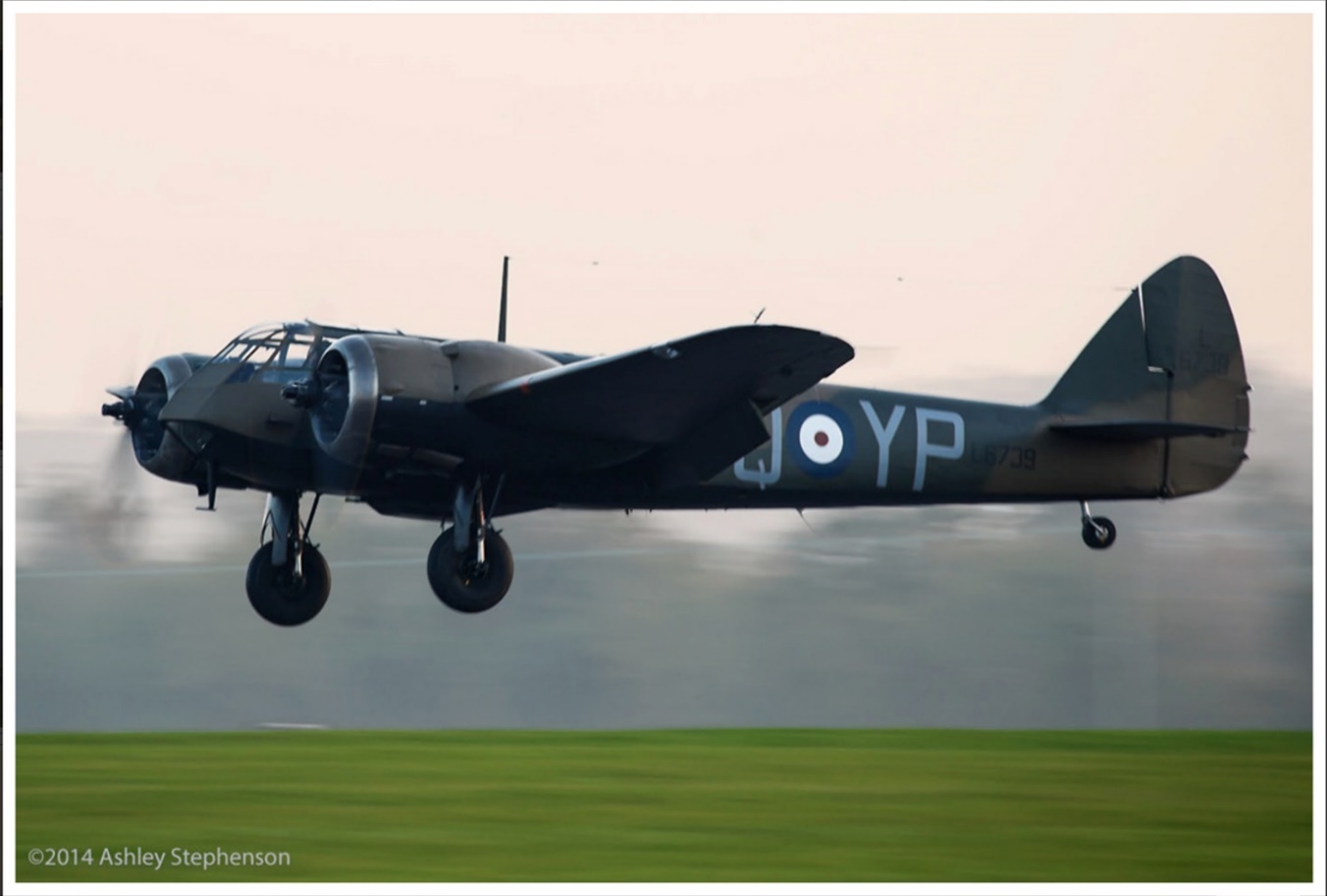
On the 19th January 1941 Miles joined 53 Squadron, which spent most of the war flying anti-submarine patrols. In February 1941, flying Bristol Blenheim bombers, the squadron changed duties, moving to Cornwall from where it flew anti-shipping strikes off the French coast.
How They Died
On the 27th March, while returning to base after a bombing raid, Miles was shot down near Brest. Sadly it was discovered that it was one of our own planes that shot him down in error — known as ‘friendly fire.’
Where They Rest
Miles has no known grave, but his name is recorded on the Air Forces Memorial at Runnymede and is also on the Natland War Memorial.
Thank you to Diana Fothergill and Annette Wallace for information supplied from their family history.
Life timeline
-
Born in Ulverston
Always known as Miles. Parents John and Kathleen Fothergill. Two younger brothers. Blonde hair, blue eyes, fair complexion. Inherited his father's sense of fun.
-
Attended Stramongate School in Kendal
Approximate. Later sent to Sidcot School (a Quaker school in Somerset) and Shrewsbury School during his father's struggle to get his poultry business off the ground.
-
Sent to St Peter's School in York
Was expelled.
-
Family inherited Newlands, Natland
Miles helped his father with considerable work on the house — removing the veranda and part of the southern end and adding a new extension. Approximate year.
-
Joined 4th Battalion The Border Regiment as a Second Lieutenant
-
Transferred to the regular 1st Battalion
Sent with his unit to Palestine to join the 14th Brigade — alongside Harry King — where he had an extremely exciting, hazardous and exhilarating military career, showing bravery and strong leadership. He managed to do a good deal of horse riding at which he excelled.
-
Awarded the Military Cross for gallantry in Palestine
Led his unit to join others in surrounding a village where the rebel leader Abd al-Rahim al-Hajj Muhammad was to be found; the rebel leader and many followers were killed. Awarded the MC for an act of exemplary gallantry during active operations against the enemy.
-
1st Battalion recalled to England from Palestine
Where it had performed with such distinction that its loss was keenly felt by both the Arabic and Jewish communities, as well as the local British forces.
-
Father John died; helped mother Kathleen sell Newlands and the estate
-
Granted a temporary commission as 43715 Pilot Officer Fothergill in the RAF
Thought it would be more exciting than army life. Learned to fly with a Tiger Moth.
-
Joined 53 Squadron, RAF
The squadron spent most of the war flying anti-submarine patrols.
-
53 Squadron moved to Cornwall, flying Bristol Blenheim bombers on anti-shipping strikes off the French coast
-
Shot down — by friendly fire — near Brest, returning from a bombing raid, aged 23
Sadly it was discovered that it was one of our own planes that shot him down in error.
-
No known grave — name recorded on the Air Forces Memorial at Runnymede
Also commemorated on the Natland War Memorial.