
Alan Raymond Hodgson
Biography
Geoffrey Stanley Hodgson, Alan’s father, was born in Heversham on 29th November 1890 and lived at the Cross Keys Hotel where his father was the publican. Isobel Allonby was born on 22nd May 1889. The couple married in April 1916. There is no immediate evidence that Geoffrey served in the Great War.
Geoffrey served an apprenticeship as an engineer and later became a charge hand at a local engineering works. Isobel described herself as undertaking unpaid house duties. In the early part of their marriage it is believed they lived at Cark-in-Cartmel. In the 1930s and 40s they lived at 37 Helme Drive, Kendal. Geoffrey and Isobel had three children: Peggy born on the 24th March 1917, Norma born on the 10th February 1921, and Alan Raymond born on the 3rd October 1919. The girls in their early years, before marriage, were employed as insurance clerks.
When Alan left school he became a shop assistant. By the age of 15 he had decided to join the Royal Navy. This he did on the 8th May 1935, signing for 12 years, when he was posted to HMS Ganges — a shore establishment at Devonport, the largest naval dockyard in Europe at the heart of Plymouth.
Service Record
Joining as Boy Class Two, Alan moved through his training and ranks to Boy Signaller, and in August 1936 was posted to the battleship HMS Royal Sovereign. Alan was 5 feet 8 inches in height and with light brown hair. Within four months he was transferred to HMS Rodney, another battleship, and on his 18th birthday was promoted to a full signaller. His records show that his character was described as very good and his efficiency as satisfactory.
As DJX144607 Signaller Hodgson he made his final transfer, just one week before war began, to the battleship HMS Royal Oak.
How They Died
When war began on 3rd September 1939, much of the Royal Navy’s Home Fleet — then the largest navy in the world — was dispersed to Scapa Flow.
Scapa Flow is a natural anchorage in the Orkney Islands. It was used in the First World War, and at the beginning of the Second it was decided to use it again as it was potentially out of the reach of enemy bombers. In the First World War there were good defences for the anchorage but these had been neglected by the start of the Second World War. Once the fleet assembled at Scapa Flow there was concern for the poor defences and much of the fleet set sail for other ports. Only a few ships remained including the Royal Oak. She was old and very slow and probably about to be decommissioned.
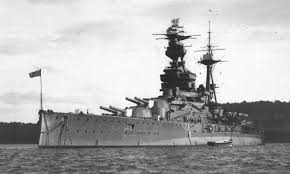
Into this situation, late at night, on Saturday 14th October 1939, came the enemy submarine U-47. Its torpedoes sank the Royal Oak in a few minutes. The ship capsized and of the crew of 1,400 over 800 perished, including Alan Raymond Hodgson.
Where They Rest
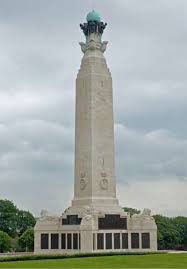
Alan has no known grave other than the wreck of HMS Royal Oak, which is still an official war grave. His name is found on the Plymouth Naval Memorial. His family received his medals — the 1939-45 Star and Atlantic Star — as well as his back wages of 17 shillings and 6 pence. His name is also on the Natland War Memorial.
Life timeline
-
Born — third child of Geoffrey Stanley and Isobel Hodgson
His father was a charge hand at a local engineering works; mother née Allonby. Older sisters Peggy (1917) and Norma (1921).
-
Aged 15, joined the Royal Navy on a 12-year engagement
Posted as Boy Class Two to HMS Ganges, the shore training establishment at Devonport — the largest naval dockyard in Europe at the heart of Plymouth.
-
Promoted to Boy Signaller; posted to battleship HMS Royal Sovereign
5 feet 8 inches tall, light brown hair. Character described as 'very good', efficiency 'satisfactory'.
-
Transferred to battleship HMS Rodney
-
Promoted to full Signaller on his 18th birthday
-
Final transfer — to HMS Royal Oak, just one week before war
As DJX144607 Signaller Hodgson.
-
War declared; the Home Fleet dispersed to Scapa Flow
Scapa Flow's First World War defences had been neglected. After the fleet assembled, concern over poor defences led many ships to set sail for other ports — but Royal Oak remained, old and slow, probably about to be decommissioned.
-
Killed when HMS Royal Oak was sunk by U-47 at Scapa Flow, aged 20
Late at night on Saturday 14th October 1939, German submarine U-47 penetrated the anchorage and torpedoed Royal Oak. The ship capsized and of her crew of 1,400 over 800 perished, including Alan Raymond Hodgson.
-
Commemorated on the Plymouth Naval Memorial
He has no known grave other than the wreck of HMS Royal Oak, which is still an official war grave. Also remembered on the Natland War Memorial. His family received his medals and his back wages of 17 shillings and 6 pence.